Black Christmas (1974) is a Canadian slasher flick about a sorority house quite literally going to pieces over the Christmas break, not to be confused with Black X-Mas (2006), Black Christmas (2019) or The Holdovers (2023).
Bob Clark (who would go onto direct the festive comedy A Christmas Story) delivers the original slasher movie, predating Halloween by four years and providing the template for the stalk-and-slash genre. But where its imitators would hone in on Black Christmas‘ superficial elements (holiday theme, female victims, POV killer shots), they largely missed the realism and feminism that makes this the most potent yuletide nightmare this side of Mr. Blobby’s Christmas song.
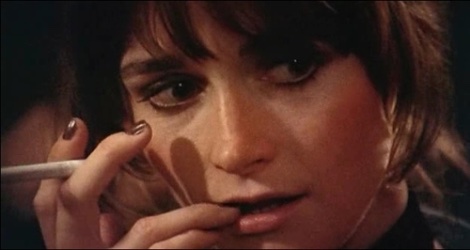
Rather than the airheads who populate the subsequent sorority slaughter sub-genre, Clark’s characters are a mixed bag of normal Canadians. Even the bitchy Barb (a brilliant Margot Kidder) is a complex character with painful baggage behind her barbed tongue, implied by a single one-sided phone call at the start of the film. We glimpse their lives through cracks in doors and slurred conversation, never explaining the motive behind some of the most indelible kills in horror history.
But while the killer remains hidden, the meaning is clear: this is a film about patriarchy – from Peter (Keir Dullea) scolding Jess (Olivia Hussey) for wanting an abortion, to the police blaming the female victims of harassment (“It’s probably just one of your boyfriends playing a little joke”); themes that remain depressingly salient 50 years later. And though the plot is far from airtight (why does no one think to check the attic?), the lurking camerawork and genuine obscenity of the phone calls remain etched in the memory long after the final bell has chimed.
 Screen Goblin