The Ghostface killer finally moves from landlines to video calls for terrorising teenagers, in this latest case of tech companies enabling teenage deaths.
Even for people who have been following the slasher saga, it is hard to believe we have reached Scream 7, not least because the franchise died with Wes Craven and every subsequent effort has basically been kicking a corpse down the road. This time the series’ original creator Kevin Williamson is wearing the directing boots, a task he approaches with the wit and enthusiasm of a man burying his own child.
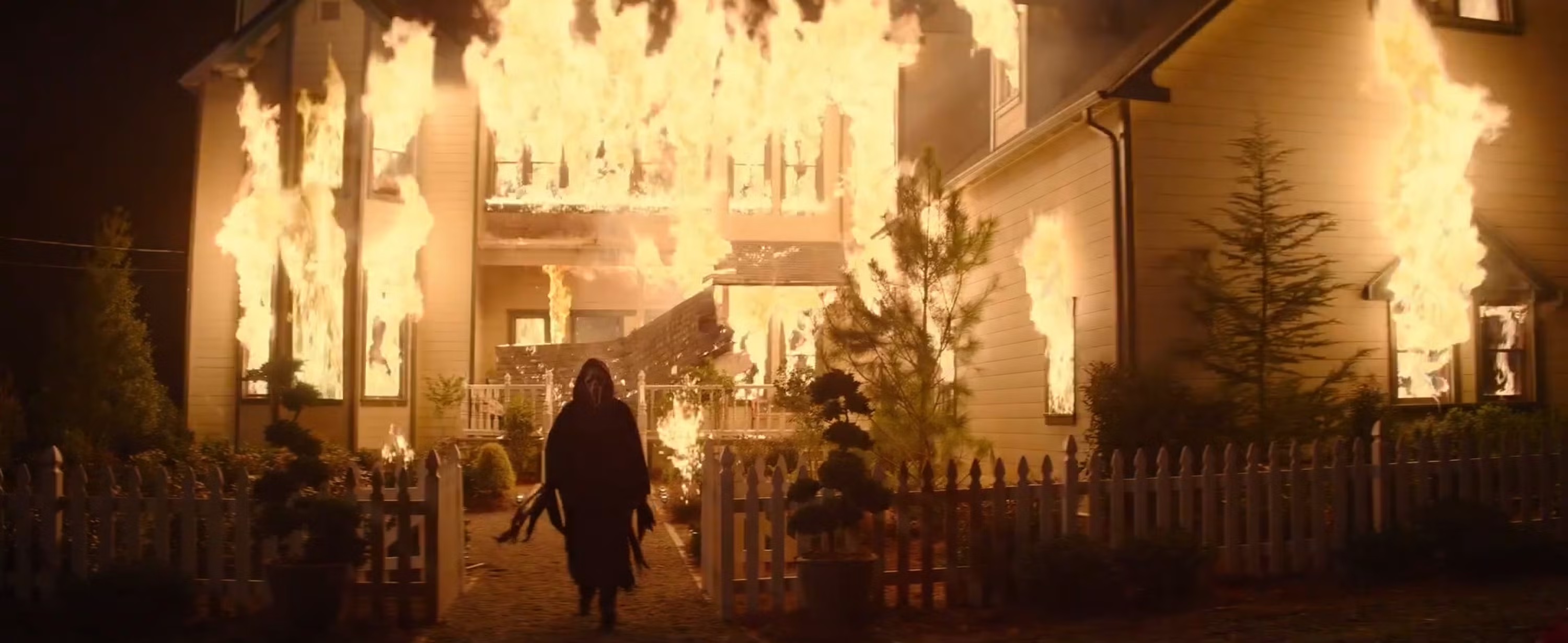
Scream 7‘s respect for the 1996 classic is summed up in the opening scene in which Ghostface burns down the Woodsboro house from the original movie. This fairly significant event is only mentioned once in passing, because at this point who cares? The sequel has no interest in Scream‘s trademark genre commentary, and its only nod to the previous entries are awkward references to Sidney Prescott not showing up last time, due to Neve Campbell walking away from Scream VI over a pay dispute. Campbell is made to apologise repeatedly for her decision, turning the whole film into an exercise in public humiliation (more so than the other sequels).
This time Melissa Barrera and Jenna Ortega are absent over some pro-Palestine (and some antisemitic) comments, so we can all look forward to the scene in Scream 8 where they have to apologise to Benjamin Netanyahu. While they are not exactly missed (that would require remembering they were there in the first place), it means the sequel has to introduce a bunch of new characters to not get to know.
These include Sidney’s daughter Tatum (Isabel May), played by a 25-year-old pretending to be 17, with a face that has had more work done than the script. An embarassing storyline about AI deepfakes means we also get some returning players, but even they are largely unrecognisable, begging the question of why a deepfake would resemble the visibly aged actor version of a dead character.
None of this overcrowded cast has anything to do, to the point that they spend entire scenes sitting in bars literally waiting to be killed. Williamson never thinks to make fun of this behaviour, nor include any funny moments, and the only reaction from the audience are groans and audible utterances of the word “stupid”. There are a couple of fun kills, and welcome returns from Campbell and Matthew Lillard, the only actors whose phones you believe would actually ring in real life. But this never feels like the work of the original Scream team, or the Williamson who wrote that horror flicks “make psychos more creative.” If only that also applied to writers.

