After liberating lab chimpanzees from the evil clutches of David Schneider, animal rights activists unwittingly unleash a deadly virus on the British population. 28 days later, Cillian Murphy wakes up to discover he can no longer get a decent coffee in London.
A pinnacle of the new wave of British horror in the early 2000s, 28 Days Later is all three of George A. Romero’s classic zombie trilogy in one; Night of the Living Dead‘s immediate apocalyptic survival, Dawn‘s rebuilding of the family unit (with shopping excursions), and finally Day‘s militaristic aftermath in a Resident Evil-style mansion.
Yet the 2002 horror flick also subverts hitherto sacred genre conventions, and not just the controversial inclusion of fast-moving “zombies” – a moot point considering these are not zombies but infected living people, which are ratified under Romero lore due to their introduction in 1973’s The Crazies.
What is unusual are the moments of light amid the bleakness; genuine humanity and emotional connection between Murphy’s character, his love interest (Naomie Harris), their new taxi driver friend (Brendan Gleeson) and his actingly-challenged daughter (Megan Burns). But 28 Days Later doesn’t hold back the horror or violence either, showing everything the human spirit and body has to offer.
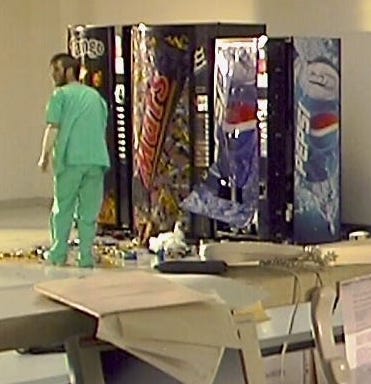
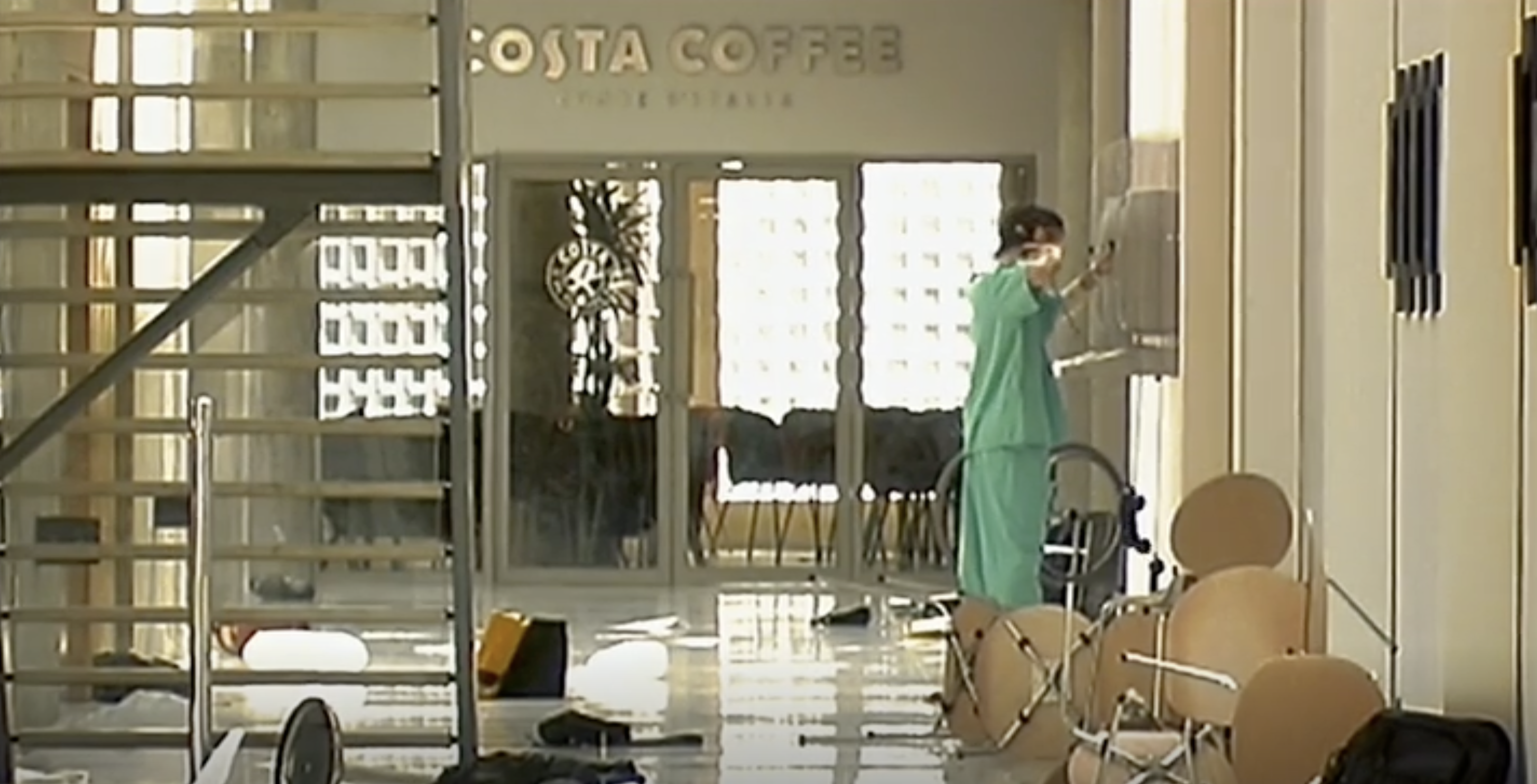
Director Danny Boyle and writer Alex Garland also bring a pronounced Britishness to the American genre, from the black cabs and black-comic graffiti (“THE END IS EXTREMELY FUCKING NIGH”) to the Dog Soldiers-esque squaddies who treat their zombie destruction like a lads game of paintball. Even the product placement is handled in a self-aware way that adds to the film’s irony and reality, alongside Boyle’s intimate digital camerawork providing a grainy realism that recalls Night of the Living Dead.

Just as Romero’s movie invoked the horrors of televised violence, the film depicts humans as chimps in a lab, forced A Clockwork Orange-style to watch inhumane footage until we are so desensitised that beating an infected kid to death with a baseball bat becomes another thing that needs doing between trips to Budgens.
Watching the movie post-Covid adds even more political bite. The eerie opening finds London in a state of deserted silence not seen since lockdown or those attempts at anti-drag protests. Our heroes then discover that those meant to be keeping us safe have been partying in a mansion, led by a soldier (Christopher Eccleston) still in his military finery and denying that any of this is out of the ordinary. Like the British public they wander out of one dangerous yet containable situation into something worse: man-made cruelty. And Resident Evil.
Equal parts brutal and beautiful, 28 Days Later ushered in a new wave of zombie media, with Dead Set and The Walking Dead sprinting along in its wake. 23 years later it is still impressive to see a film bring something new to the genre while staying true to Romero’s vision, which had nothing to do with the speed of the zombies, and everything to do with our response.
 Screen Goblin