Molly vs The Machines is a Channel 4 documentary about the death of Molly Russell, the 14-year-old British girl who killed herself after being bombarded with self-harm and suicide content on Instagram, and her father Ian’s fight to hold Meta accountable for their part in the death of his daughter.

This is unsurprisingly a sad and often difficult watch, but the film wisely doesn’t dwell on Molly’s death, instead focusing on the technological, political and economic forces behind the tragedy and Meta’s denial of any responsibility. By including the perspectives of Molly’s father and her friends, as well as clips of Mark Zuckerberg and Instagram chief Adam Mosseri, the doc positions the case as part of an ongoing fight between children and Big Tech, where the odds are stacked against the most vulnerable young people.
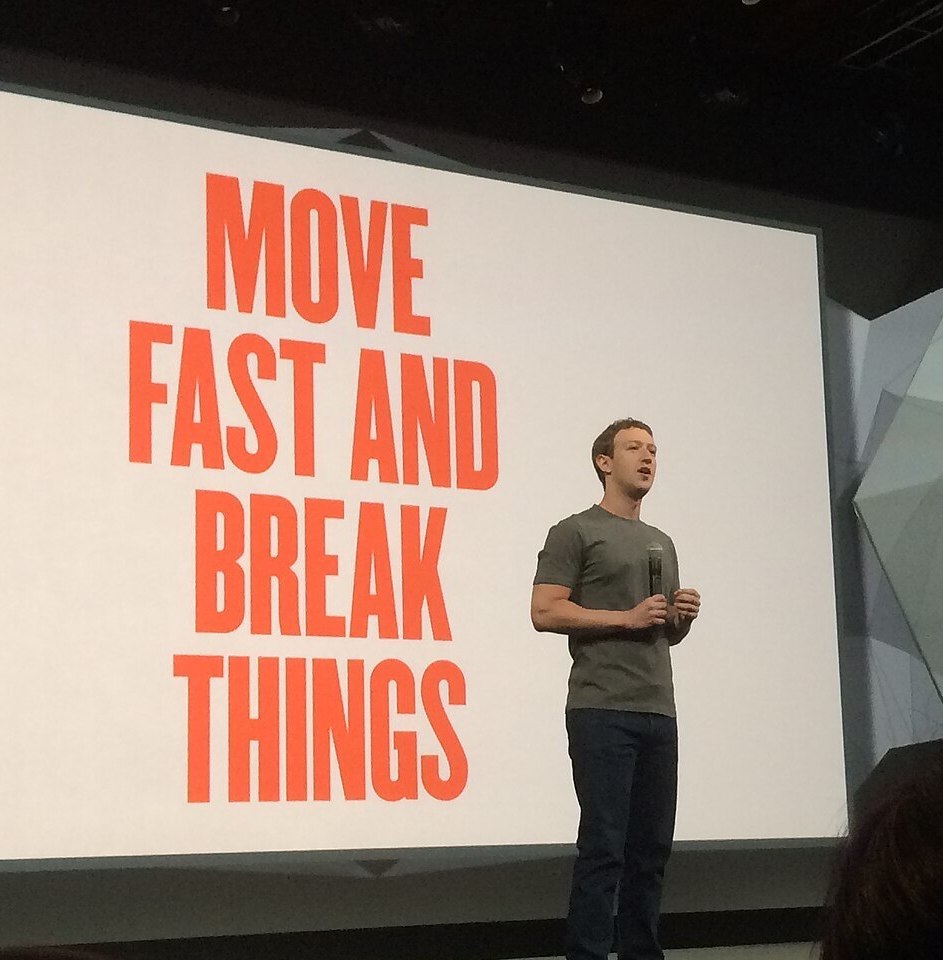
The documentary is appropriately forceful and clear in its argument: while parents assumed their kids were safe in their bedrooms, Meta was essentially conducting live experiments of untested technology on teenagers, and any deaths are basically collateral in the company’s mission to maximise engagement on their platforms. A lingering image of Meta’s now retired “Move Fast and Break Things” slogan appears deeply incriminating, while Zuckerberg’s recent announcement that its content moderation policies will “catch less bad stuff” (a move designed to appease Donald Trump) tells you everything about the company’s priorities.
It is depressing to witness, but like Netflix’s Adolescence the film draws attention to harms that many users may not have thought about. And while it has come too late, there are now moves by regulators and legislators to curb online harms (including the Online Safety Act and proposed social media bans for under-16s), thanks largely to the bravery of Ian Russell, who has campaigned tirelessly to prevent further damage by social media companies.
The movie uses an AI voice to represent Silicon Valley, an interesting if somewhat confusing choice that doesn’t necessarily add anything. But the commentary from experts and whistleblowers sheds light on the extent of Meta’s reckless pursuit of profits, including Danish psychologist Lotte Rubæk, who resigned from the tech firm’s suicide prevention panel in protest at the company prioritising profit over human life. There are films that make you put down your phone while you’re watching them; with this one, you won’t want to look at it after.
 Screen Goblin