Elwood P. Dowd’s (James Stewart) family become increasingly frustrated by his apparent friendship with an invisible six-foot rabbit in this 1950 comedy they should have called One Flew Over the Púca’s Nest.
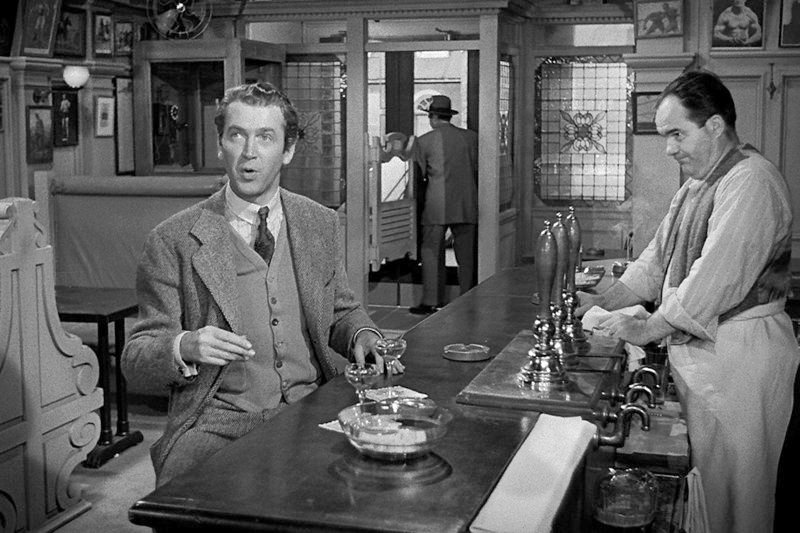
Harvey belongs in that strange category of Hollywood movies that champion the slow-witted and detached from reality, alongside Forrest Gump and Being There. But rather than promoting ignorance like the Tom Hanks movie or the oeuvre of Adam Sandler, Henry Koster’s unique film celebrates kindness and imagination.
Based on Mary Chase’s play, its theatrical origins are apparent in the limited settings, since much of the picture is spent running around a sanatorium trying to work out who needs sectioning. But beneath the mistaken-identity tropes are hints of darkness in Dowd’s alcoholism and the suggestion that Harvey “appeared” when his mother died, adding pathos to the film’s farcical and whimsical elements.
Dowd mentions that he tried being smart but found more value in being pleasant; something of a false dichotomy but one that succeeds on the charms of its story and lead performance, with Stewart’s ever-compassionate demeanour making him the perfect protagonist. The director also does a great job of implying Harvey’s presence through self-opening doors and the reactions of the other characters, suggesting that the whole thing is bunny because it’s true.
While initially exasperated by Dowd’s habit of inviting strangers for dinner at his family home, they come to realise that his delusions are not only harmless but helpful, as they find love and peace as a result of Harvey’s antics. Through Dowd’s kindness comes an appreciation for the eccentrics who tell stories and bring together communities that are otherwise overly concerned with appearances. After all, how can a man who’s friends with a giant rabbit be dangerous?