On the hunt for a serial killer known as Buffalo Bill (Ted Levine), FBI trainee Clarice Starling (Jodie Foster) seeks guidance from psychiatrist, cannibal and fava bean fan Hannibal Lecter (Anthony Hopkins), resulting in the biggest Hannibal-based bloodbath since the Battle of Cannae.
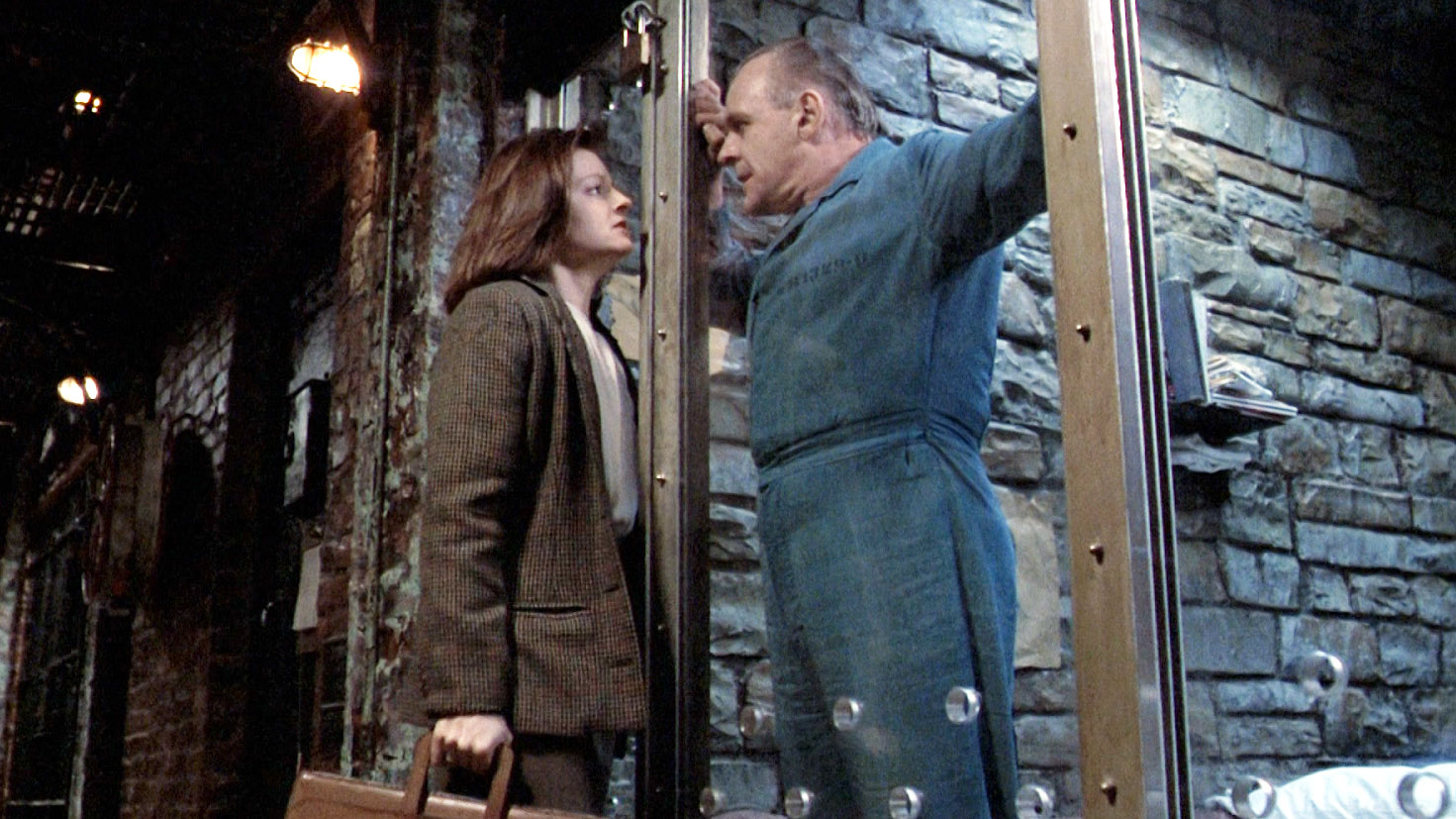
Reviewing the quintuple Oscar winner at this point is like teaching your grandmother to swallow her own tongue, but if it has been a while, do yourself a fava and go back to the well of psychological darkness and suspense that is The Silence of the Lambs (the best title for a Jonathan Demme movie since Stop Making Sense). Because although Hopkins steals the show (bagging an Oscar with just 16 minutes of screen time), his performance is just one piece of the puzzle that makes this 1991 classic a serious contender for the best serial-killer thriller ever made.
Knowing they have a wicked story with noose-tight plotting and meaty characters on their hands, the filmmakers remain faithful to Thomas Harris’ novel, right down to his fork-tongued dialogue – though credit for Lecter’s ridiculous yet classic final line, “I’m having an old friend for dinner,” must be given to screenwriter Ted Tally.
The film is also careful to include the book’s explicit statement that the “woman suit”-sewing, moth-obsessed killer Jame Gumb is not transgender, with Starling explaining there is “no correlation in the literature between transsexualism and violence”. And while one can see why LGBT groups were not convinced, the fact Harris went out of his way to make that distinction in 1988 is admirable in a genre that is still so happy to exploit and spread falsehoods about the trans community.
And for all its brutality, there is a beating, juicy heart at the centre of this horrorshow. Later becoming a volunteer at an animal rescue centre, Harris’ fascination with animals and compassion for his protagonist are preserved in amber. Foster brings a brilliant balance of capability and vulnerability to the young student, desperately trying to keep her head above water while being pulled in all directions and used by the men around her – whether Hannibal Lecter, her FBI boss Jack Crawford (Scott Glenn) or the opportunistic jailer Dr. Chilton (Anthony Heald).
But it is Demme’s daring direction that gives the thriller its lasting impact. He subverts the horror genre by avoiding gratuitous violence and making it all the more disturbing in its suggestive, almost clinical insinuations. And he casts an omnipresent male gaze through close-ups of eyes watching Starling wherever she goes, with Lecter speaking to Clarice directly into camera as though burning straight through her soul and into the audience. Gumb also dances and poses right down the barrel, but it is through his night-vision goggles that we watch him stalk Starling in the climax, even as she returns fire towards the viewer at the end.
The Silence of the Lambs goes to dark places that few films have the guts or smarts to approach, forcing us into uncomfortable situations and twisted forms, stitching together and ultimately joining the mythology of American serial killers. Weirdly though it neglects to touch on Lecter’s samurai training that we find out about in Hannibal Rising. Maybe he was too embarrassed to mention it.

